Why Is Your Electric Stove Burner Not Heating? 9 Causes
You turn on your electric stove, wait for the burner to heat up, and expect to start cooking. Instead, the burner stays cold, heats very slowly, or gets hot in only certain areas.
When your electric stove burner not heating properly, the problem can be caused by something as simple as a damaged heating element or a poor connection. In other cases, the issue may involve the burner receptacle, switch, wiring, or another electrical component.
Knowing what to look for can help you identify the problem and determine when professional repair is needed. Here are the most common causes for stove damage.
1. The Heating Element Is Damaged
One of the most common reasons an electric stove burner is not heating is a damaged heating element. On coil-style electric stoves, the element can develop a break in the internal resistance wire. Sometimes the damage is visible as a burned or broken section of the coil. A damaged element may stay completely cold, heat only partially, take much longer than normal to heat or produce uneven heat.
2. The Burner Receptacle Is Burned or Loose
Coil-style burners plug into receptacles that connect them to the stove’s electrical supply. Over time, the receptacle can become burned, corroded, loose, discolored or damaged by repeated heating.
If the burner element works correctly but isn’t receiving consistent electrical power, the receptacle may be responsible.
3. The Burner Switch Has Failed
Your stove’s control knob or electronic control determines how much power reaches the heating element. On traditional electric ranges, each burner is controlled by a surface element switch. When you turn the knob from low to high, the switch controls the electrical supply to the element.
A failed switch can cause the burner to stay cold, heat only on certain settings, stay on high, cycle incorrectly or heat much less than expected.
If one burner behaves differently from the others despite having a good heating element, the control switch may need to be tested.
4. The Electrical Connection Is Loose
An electric stove requires secure electrical connections to deliver power to its heating elements. A loose connection can cause inconsistent heating or prevent a burner from working altogether.
Signs of a possible connection problem include burner suddenly stops working, burner works intermittently, flickering or inconsistent heating, burning smell or discoloration around the element connection
Electrical connections inside a stove can carry dangerous voltage. If you suspect an internal wiring problem, don’t remove panels or attempt repairs unless you are qualified to work on electrical appliances.
5. The Burner Is Not Sitting Correctly
On removable coil-style stoves, the heating element needs to sit properly in its receptacle. If the element isn’t fully seated, it may not make proper electrical contact. This can happen after cleaning the stove, removing the burner, spilling food underneath it or accidentally bumping the element.
Turn the appliance off and let the burner cool. Once it is safe to handle, make sure the element is properly positioned according to the manufacturer’s instructions. If it still doesn’t work, the problem may be with the element or receptacle.
6. Food or Debris Is Affecting the Burner
Food spills are common around electric stove burners. While a small amount of residue won’t normally stop a heating element from working, buildup around the burner or receptacle can sometimes interfere with proper contact. Grease and food residue can also create unpleasant odors when the stove heats up.
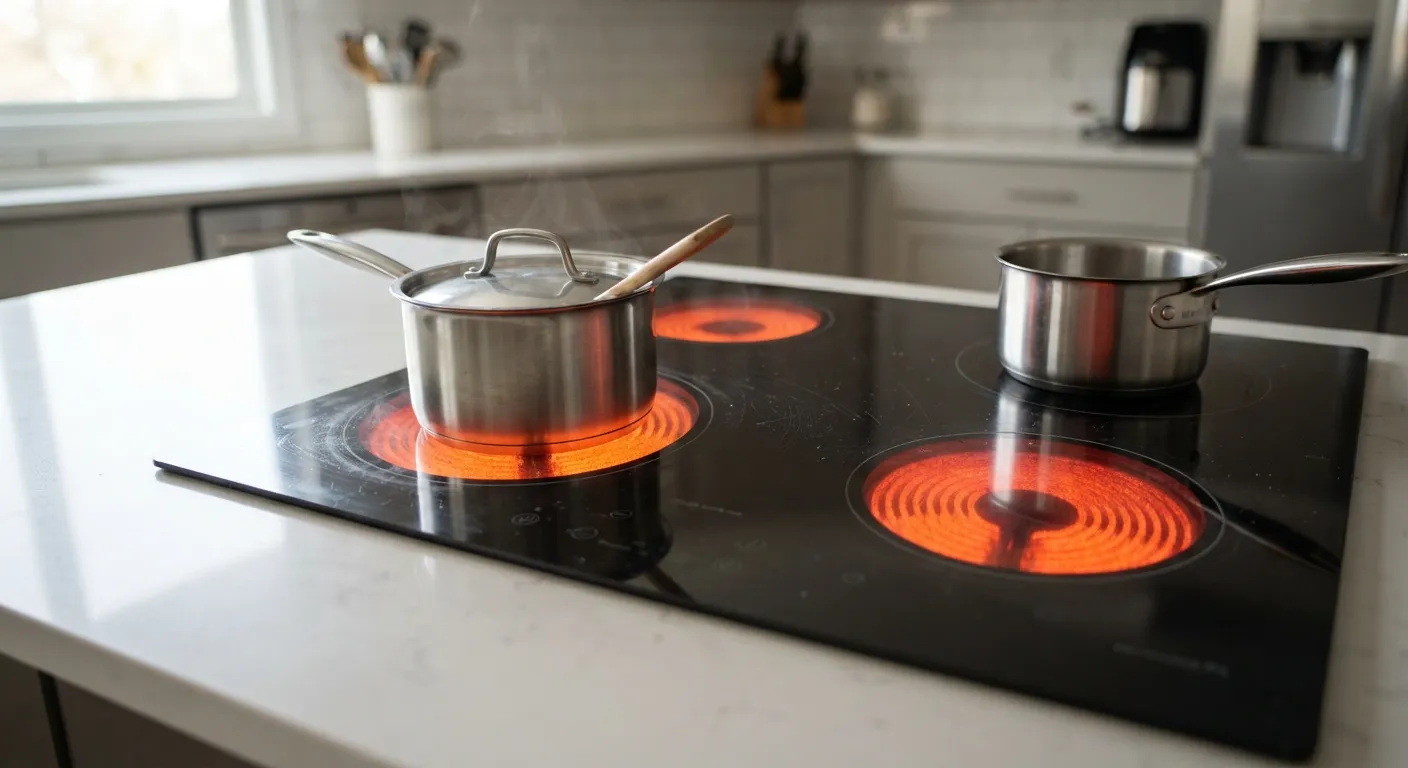
7. The Burner Is Heating, but Your Pan Is the Problem
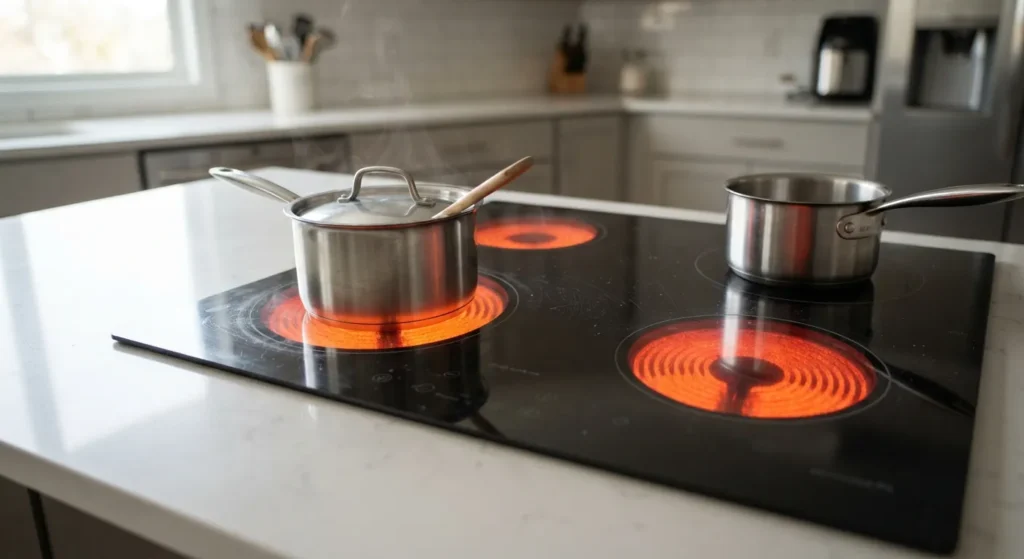
Sometimes the stove is working correctly but the cookware makes it appear as though the burner isn’t heating properly. For example, a warped pan may not sit flat against the cooking surface. This can cause uneven cooking, slow heating, hot spots or longer cooking times.
Using cookware with a flat bottom that matches the burner size helps transfer heat more effectively. If several different pans heat normally on the same burner, the cookware may be contributing to the problem.
8. The Burner Takes Too Long to Heat
A burner doesn’t necessarily have to be completely cold to have a problem. You may notice that it heats, but much more slowly than it used to.
Possible causes include:
- Weak heating element
- Faulty switch
- Electrical connection problem
- Incorrect cookware
- Voltage issue
Compare the affected burner with another burner of a similar size.
If one burner takes considerably longer to heat while the others operate normally, the affected burner may need inspection.
9. The Surface Element Control Is Malfunctioning
Some modern electric ranges use electronic controls instead of traditional mechanical switches. A problem with the control system can affect how power is delivered to the burner. Depending on the model, you might see:
- Error codes
- Unresponsive controls
- Burner heating at the wrong temperature
- Burner turning off unexpectedly
- Inconsistent heating
Because electronic controls can vary significantly between manufacturers and models, diagnosis should follow the appliance’s service documentation.
10. A Safety Device May Be Interrupting Power
Electric ranges contain safety components designed to protect the appliance from overheating or electrical problems.
If one of these components fails or detects an abnormal condition, it may interrupt power to a heating element. This can make the burner appear completely dead.
Replacing a safety component without determining why it failed can allow the underlying problem to continue. Professional diagnosis is recommended when a safety device repeatedly trips or fails.
Why Is Only One Electric Stove Burner Not Working?
If only one burner isn’t heating, the problem is often localized to that burner.
Potential causes include:
- Failed heating element
- Damaged burner receptacle
- Faulty surface element switch
- Loose wiring
- Control problem
If all burners stop heating at the same time, the situation is different.
A problem affecting multiple burners may involve the stove’s power supply, wiring, control system, or another component shared by several heating elements.
When Should You Call an Appliance Repair Technician?
A professional stove repair is a good idea when basic checks don’t solve the problem. Contact an appliance repair technician if:
- The burner remains completely cold.
- The heating element has visible damage.
- The burner heats intermittently.
- The burner gets excessively hot.
- The control knob doesn’t work correctly.
- You smell burning plastic or wiring.
- The circuit breaker repeatedly trips.
- Several burners stop working.
- The stove displays an error code.
- You suspect an internal electrical problem.
A technician can test the heating element, receptacle, switch, wiring, and control components to determine which part has failed.
Frequently Asked Questions
Why is my electric stove burner not heating?
The most common causes include a failed heating element, damaged burner receptacle, faulty switch, loose connection, or electrical problem.
Why does my electric stove burner only heat sometimes?
Intermittent heating can be caused by a failing element, loose connection, damaged receptacle, or faulty control switch.
Why is one burner not working but the others are?
When only one burner fails, the problem is often isolated to that burner’s heating element, receptacle, switch, wiring, or control circuit.
Why is my stove burner heating unevenly?
Uneven heating can be caused by a damaged heating element, incorrect cookware, poor electrical contact, or a control problem.
Can a bad burner trip the circuit breaker?
Yes. A short circuit, damaged wiring, or faulty electrical component can cause a breaker to trip. If the breaker repeatedly trips, don’t continue resetting it.
How long do electric stove burners last?
The lifespan varies depending on the stove, usage, and component quality. Heating elements can eventually wear out and may need replacement.
Is it worth repairing an electric stove?
In many cases, yes. A failed burner element, switch, or receptacle can often be repaired without replacing the entire appliance. The age and overall condition of the stove should be considered when deciding whether to repair or replace it.